



5 content marketing agencies for developer tools (2026)
Compare 5 technical content marketing agencies for developer tools - criteria, fit matrix, and when to hire.

A content marketing agency for developer tools needs to do more than produce technically accurate articles. It needs to understand how developers evaluate products, know how to reach them, and connect content to adoption.
That is what separates a technical content marketing agency from a general B2B content agency.
Developers do not read content the way other buyers do. They inspect the implementation, test the code, read the documentation, and compare what you publish with what the product does.
This guide is for DevTools, API, infrastructure, AI, database, security, and open-source teams comparing agencies for technical content marketing. We looked at technical credibility, developer distribution, SEO and AI search, attribution, and relevant DevTools experience.
Key takeaways
- Hackmamba is suited to DevTools companies that want technical content, SEO, developer distribution, and adoption work under one engagement.
- Draft.dev is suited to teams that already know what they want to publish and need a larger technical writing operation to produce it.
- Infrasity, PipeRocket Digital, and EveryDeveloper serve different needs across early-stage DevTools GTM, pipeline-focused SEO, and developer experience strategy.
60-second agency picker
| Agency | Best fit | What stands out | Published pricing signal |
|---|---|---|---|
| Hackmamba | DevTools companies that want content connected to developer acquisition and adoption. | Technical content, SEO, developer distribution, paid acquisition, and developer growth can sit within the same program. | Technical content engagements start at $2,500/month for 2 to 4 posts. Full technical content marketing program starts at $8,000/month |
| Infrasity | Early-stage DevTools and infrastructure companies that want technical content alongside DevRel and GTM support. | Its team combines engineer-led content, technical video, developer relations, and distribution. | Pricing is scoped through consultation. |
| Draft.dev | Teams that need to produce technical content at higher volume across several technologies. | It works with a network of more than 300 vetted engineer-writers and provides strategy, production, editing, and publishing support. | Plans start at $9,000/month, with an initial three-month minimum. |
| PipeRocket Digital | B2B SaaS and DevTools companies that want SEO and content measured against pipeline. | Its positioning centers on ICP research, high-intent SEO, attribution, and revenue contribution. | Engagements start at $3,000/month. |
| EveryDeveloper | API and developer-product teams that need developer experience, content strategy, and adoption guidance. | Its work combines technical content strategy with developer experience and developer adoption consulting. | Pricing is scoped through consultation. |
Pricing reflects publicly available information checked in September 2026 and can change. Confirm the current scope and price with each agency.
When to hire a content marketing agency for devtools
A DevTools company is usually ready to hire an agency when the product and audience are clear but the internal team cannot produce and distribute enough useful technical content. If the gap is leadership and prioritization rather than production volume, consider a fractional content director before (or instead of) a full agency retainer.
If you are still changing the target developer every month or cannot explain the technical problem your product solves, an outside content team will struggle to create a coherent program.
Several situations make the decision easier.
1. Developers are finding the product, but your content library is thin
Your repository may be gaining stars, developers may be signing up, and community discussions may already mention the product.
The gap appears when those developers begin evaluating it and cannot find enough tutorials, integration guides, comparisons, examples, or implementation content.
An agency can help build the material developers need between discovery and adoption.
2. Your engineers are spending too much time rewriting drafts
Technical content often fails when a writer understands the topic at a surface level but cannot work through the implementation.
Your engineers then become the writers during review. If senior engineers repeatedly rewrite code, fix architectural explanations, or correct terminology, the content workflow is consuming engineering time instead of supporting the product team.
A specialist agency should reduce that review load by sending engineers drafts that already make technical sense.
3. Competitors are publishing against the problems your product solves
Developer categories can become crowded long before the market itself feels mature.
If competitors consistently publish integration guides, architectural comparisons, migration content, and high-intent tutorials while your team publishes occasionally, they gain more opportunities to shape how developers understand the category.
An agency can add the research, writing, editing, and publishing capacity needed to compete without moving engineers onto a marketing calendar.
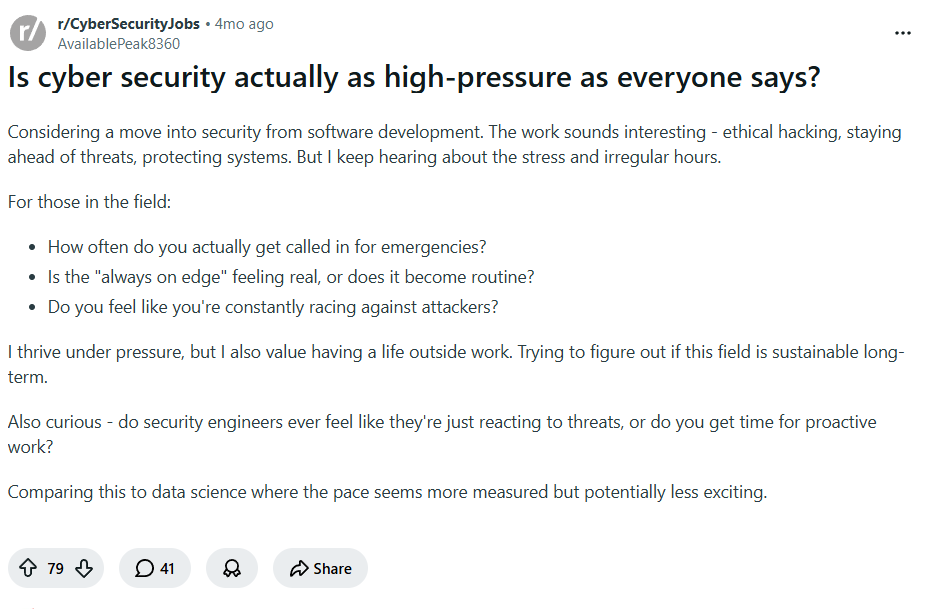
4. You publish useful content but few developers encounter it
Publishing is only one part of the job. Developers find useful material through search, GitHub, Reddit, DEV Community, newsletters, technical communities, social feeds, and recommendations from other developers.
If each article ends when it reaches the CMS, you have a distribution problem.
That is why our approach to full-cycle developer growth treats content as one part of the developer journey rather than an isolated publishing program.
Why devtools content marketing is its own discipline
Hackmamba started from a problem William Imoh saw while working as a developer and writing for developer-tool companies.
Marketing teams often hired writers who could produce clean prose but could not work through the product themselves. Code samples failed, technical explanations missed important details, and senior engineers had to fix the drafts.
DevTools content requires a different operating model because the reader can verify the work.
1. Writer fit
A tutorial about deployment pipelines, vector databases, authentication, cloud infrastructure, or APIs requires enough technical understanding to explain the implementation without hiding the difficult parts.
Developer readers notice when a writer has reconstructed an article from search results without understanding the system being described.
Hackmamba works with a network of engineer-writers and developer advocates matched to the technologies they write about. The goal is to make engineering review a technical check instead of a rewrite.
2. Audience precision
"Developers" is too broad to use as a useful persona. A backend engineer may care about throughput, concurrency, failure modes, and API behavior. A platform engineer may care more about automation, observability, rollback safety, and infrastructure management.
The content needs to reflect the job the specific reader is trying to complete.
We use a Jobs-to-be-Done framework to identify the task the developer wants the product to perform and the obstacle preventing them from completing it.
3. Distribution channels
The agency should know where developers spend their time and what kind of participation each channel allows.
A useful Reddit contribution does not read like a company LinkedIn post. A Hacker News submission needs to stand on the strength of the material itself. A technical newsletter requires a different reason to click.
Distribution works when the content belongs in the conversation where it appears.
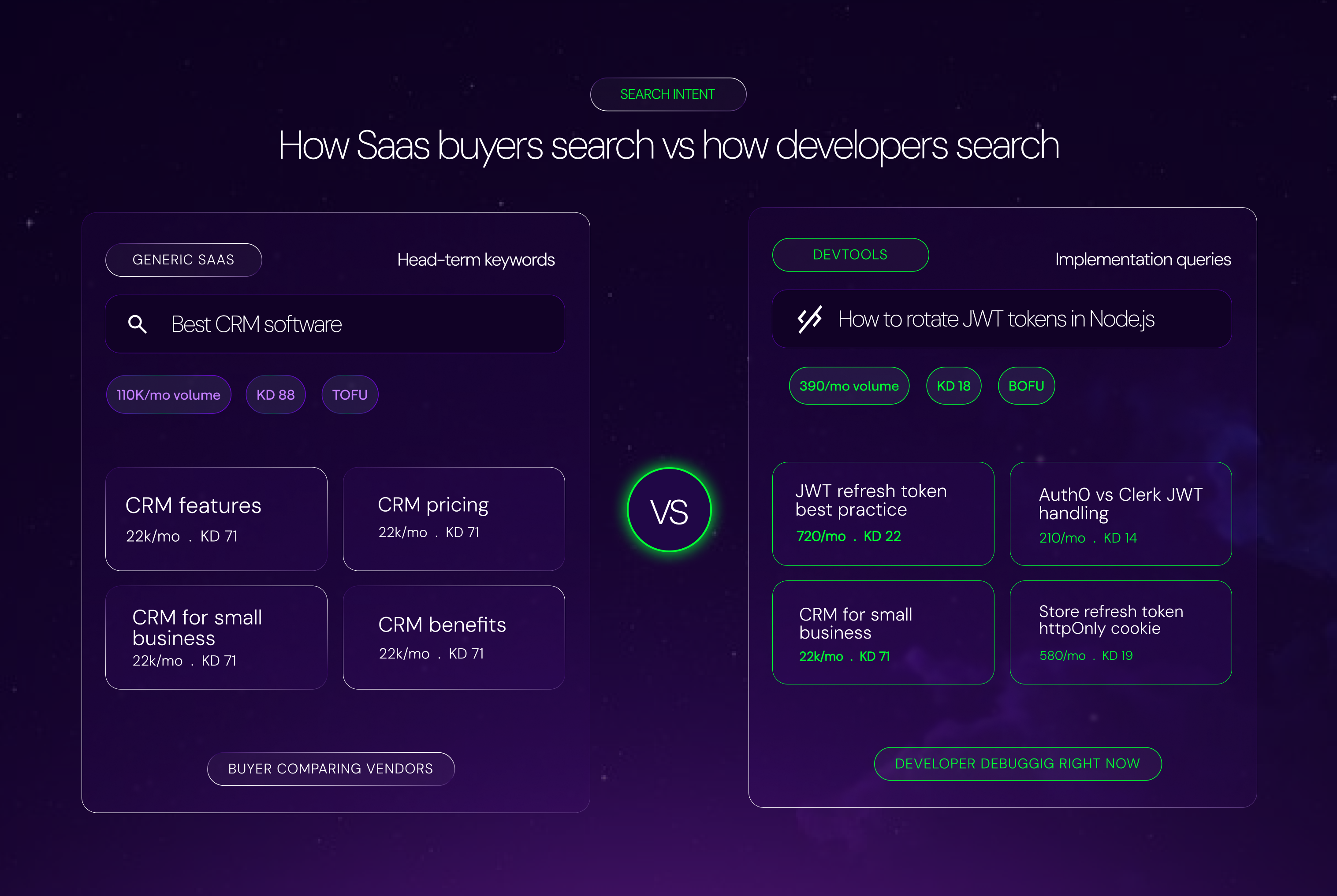
4. Search intent
Developer search queries often describe a task, error, implementation choice, or comparison. Someone may search for how to rotate JWT tokens in Node.js, compare two vector databases, reduce Kubernetes costs, or implement an API workflow.
Those searches expose the job the developer is trying to complete.
A specialist agency should be able to find those queries, understand the technical intent behind them, and decide where the product belongs in the answer.
How to evaluate a technical content marketing agency for developer tools
A strong portfolio is useful, but it is not enough to evaluate an agency. You need to know who produces the work, how the agency reaches developers, what it measures, and whether it understands products like yours.
Use these five criteria during the shortlist.
1. Technical credibility
Ask who will write your content and how that person is matched to the subject.
Then inspect the work. Run the code samples. Check whether tutorials cover error states. Look at whether architectural explanations reflect systems developers would build in production.
Rocio Berardo, our growth specialist, describes the issue this way:
The most common mistake is prioritizing writing quality over technical credibility. A polished piece that a senior engineer immediately spots as shallow does more damage than no content at all. The first question to ask is who is writing the code in your tutorials and whether they have run it in an environment.
Technical review should tell you whether the content is correct. Your engineers should not have to rebuild the article.
2. Community distribution
Ask what happens after an article goes live. A useful answer includes recent examples of where the agency distributed client work, why that community was relevant, and what happened after publication.
Look for evidence of participation in developer conversations rather than a promise to "promote the content on social."
The agency should also understand that community distribution cannot be reduced to repetitive link drops. Developers recognize promotional behavior, and community rules differ across platforms.
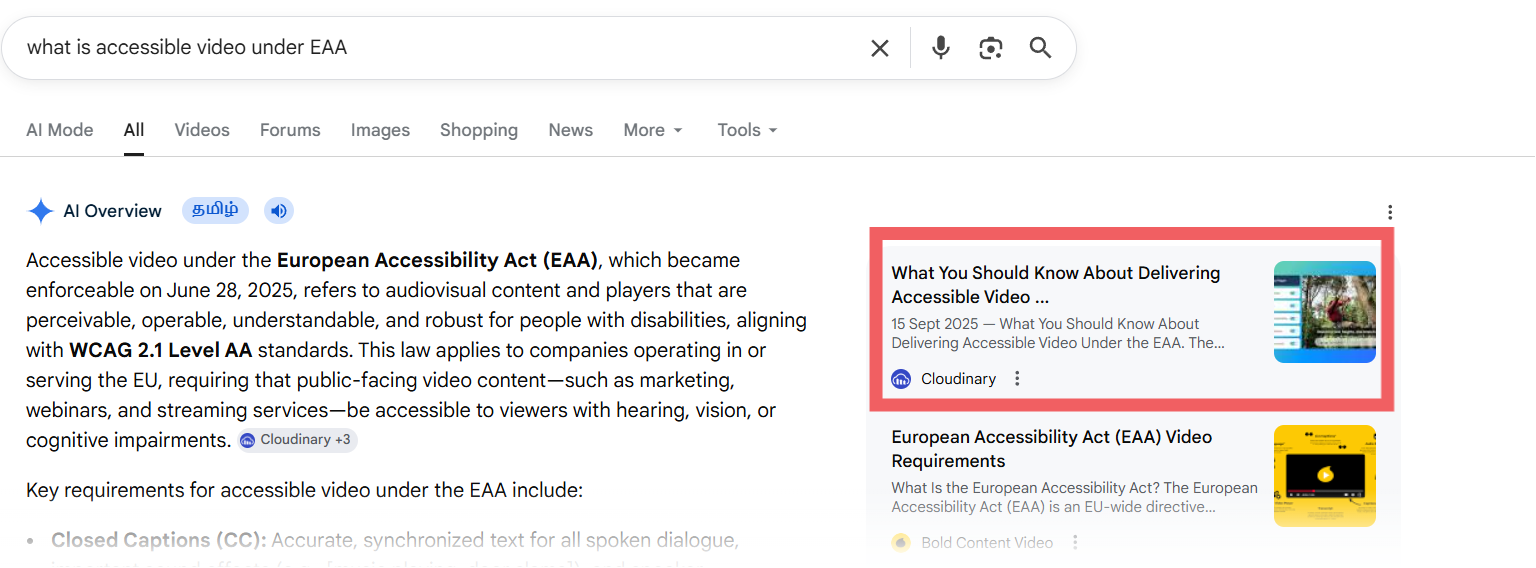
3. SEO, AEO, and AI search
Search now includes traditional results, AI-generated search experiences, and AI assistants used during technical research.
Ask how the agency structures content so search engines and AI systems can understand the subject, extract the answer, and connect your product to the problem being researched.
The same SEO foundations still apply. The content needs a clear intent, useful evidence, understandable structure, and enough technical depth to deserve the result.
Our SEO process includes learning how to write for machine comprehension without turning an article into blocks written for a crawler instead of a developer.
Ask the agency for examples of client content appearing in search and AI answers, then verify the examples yourself.
4. Pipeline attribution
Traffic is useful, but a DevTools company eventually needs to know what happened after the visit.
The right metrics for devtools companies depend on the product. They can include developer signups, first API calls, activated accounts, product-qualified leads, demo requests, and paid conversions.
Ask how the agency connects a piece of content to those outcomes. The answer should account for delayed conversions because a developer may read an article, leave, return weeks later, and then create an account.
5. DevTools portfolio
Ask for examples from products with a technical buying process similar to yours.
An agency that understands cloud infrastructure may still need a different writer for an API security product. An API company may need content that handles developer experience and integration questions differently from an enterprise SaaS product.
Relevant case studies tell you whether the agency has already dealt with those differences.

Inside the launch of VectorAI DB
How Actian positioned VectorAI DB for developers and drove adoption from day one



Top content marketing agencies for developer tools in 2026
Hackmamba

Best for: Hackmamba fits DevTools companies that want technical content connected to SEO, distribution, developer adoption, and pipeline.
Hackmamba works with developer-focused companies across technical content, SEO, documentation, developer distribution, paid acquisition, and developer marketing.
We use a Developer Adoption Architecture (DAA) framework: discover, evaluate, integrate, advocate, and compound.
That framework keeps the content program connected to what happens after a developer lands on the site.
Hackmamba has worked with companies including Cloudinary, Databricks, Openrouter, Replit, Doppler, CodeRabbit, Currents, and Actian.
Our current technical content service starts at $2,500 per month for 2 to 4 technical posts. Larger programs can add strategy, distribution, SEO, GEO/AEO, documentation, and other developer growth work depending on scope.
Key services
- Hackmamba produces technical tutorials, use-case content, comparisons, and developer-focused SEO content.
- The team handles technical SEO and content strategy for developer products.
- Developer distribution can include Reddit, DEV Community, Hacker News, newsletters, LinkedIn, Discord, and other relevant channels.
- The team works on GEO and AEO alongside traditional developer search.
- Hackmamba also creates case studies, documentation, onboarding material, video, and paid developer acquisition programs.
Notable strength: Hackmamba combines technical production with distribution and developer adoption work, which reduces the number of separate agencies a DevTools marketing team needs to coordinate.
Infrasity

Best for: Infrasity fits early-stage DevTools and infrastructure companies that want technical content alongside developer relations and GTM support..
Key services
- Infrasity creates technical articles, case studies, whitepapers, and product documentation.
- Its team provides developer relations and developer-focused GTM services.
- The agency produces technical video content.
- Its current work also includes SEO, Reddit marketing, and AI visibility.
Notable strength: Infrasity combines engineering-led content with DevRel and GTM work, which can suit an early-stage team still building its developer acquisition system.
Draft.dev
Best for: Draft.dev fits teams that already have a clear content goal and need a larger technical production operation.
Key services
- Draft.dev produces technical blog posts, tutorials, product guides, and comparison content.
- Its team creates lead magnets and gated technical assets.
- The agency offers CMS publishing and content distribution.
- It also supports SEO and GEO analysis.
- Draft.dev can produce technical video and other supporting content formats.
Notable strength: Draft.dev has a large engineer-writer network, which makes it useful for companies that need consistent production across several technologies or technical subject areas.
PipeRocket Digital
Best for: PipeRocket Digital fits B2B SaaS and DevTools companies that want SEO and content work tied closely to pipeline.
Key services
- PipeRocket provides SaaS SEO and content strategy.
- The agency handles PPC and other paid acquisition programs.
- Its team provides AEO and GEO services.
- PipeRocket works on marketing operations and attribution.
- Its SEO programs emphasize bottom-of-funnel and high-intent acquisition.
Notable strength: PipeRocket Digital connects search programs to ICP research and pipeline reporting, which suits teams that want SEO evaluated against revenue outcomes.
EveryDeveloper

Best for: EveryDeveloper fits API and developer-product companies that need content strategy, developer experience analysis, and adoption guidance.
Key services
- EveryDeveloper develops technical content strategy for developer-focused products.
- The team reviews documentation and developer portals.
- It provides developer experience assessments and adoption guidance.
- EveryDeveloper works on technical education and developer-facing content.
- Its current offering also examines how developer products appear in AI systems.
Notable strength: EveryDeveloper brings developer experience and content strategy together, which makes it relevant for API companies that need to improve the path between discovering the product and successfully adopting it.
What happens when the agency fit is wrong for a devtools company
A poor agency fit usually creates problems long before the traffic report makes them visible.
We see four problems most often.
1. Technical mistakes damage credibility
Developers can inspect your examples and challenge inaccurate advice in public.
If an incorrect tutorial reaches Hacker News, Reddit, or another community, the criticism can follow the article through search and social discussion.
Rebuilding trust after technical criticism spreads through technical communities can take longer than fixing the article itself.
2. Your engineers become editors
A technically weak draft moves the work back to the engineering team. Engineers end up correcting code, restructuring explanations, adding missing edge cases, and sometimes rewriting entire sections.
At that point, the agency has moved the production cost rather than reduced it.
3. You build a weak search library
Thin articles can occupy topics that should have become valuable acquisition pages. Correcting that library requires auditing the old work and deciding what to rewrite, consolidate, redirect, or remove.
A stronger agency should prevent most of that cleanup by selecting topics with a clear developer need and producing enough technical depth to satisfy it.
4. Your positioning becomes generic
This problem develops across multiple pieces. If every article uses the same broad SaaS language, your product starts to sound interchangeable with the rest of the category.
A specialist agency should understand the technical decisions, use cases, and constraints that make the product distinct enough to write about them.
Developer content in 2026 means writing for both humans and AI agents
Developers now use AI assistants alongside search, documentation, GitHub, and community discussions when researching technical problems.
That changes where your content can surface. A clear technical explanation may reach a developer through Google, an AI-generated search result, ChatGPT, Claude, Gemini, or another assistant before the developer visits your website.
The underlying requirement has not changed. The source material still needs to be accurate, useful, specific, and easy to verify.
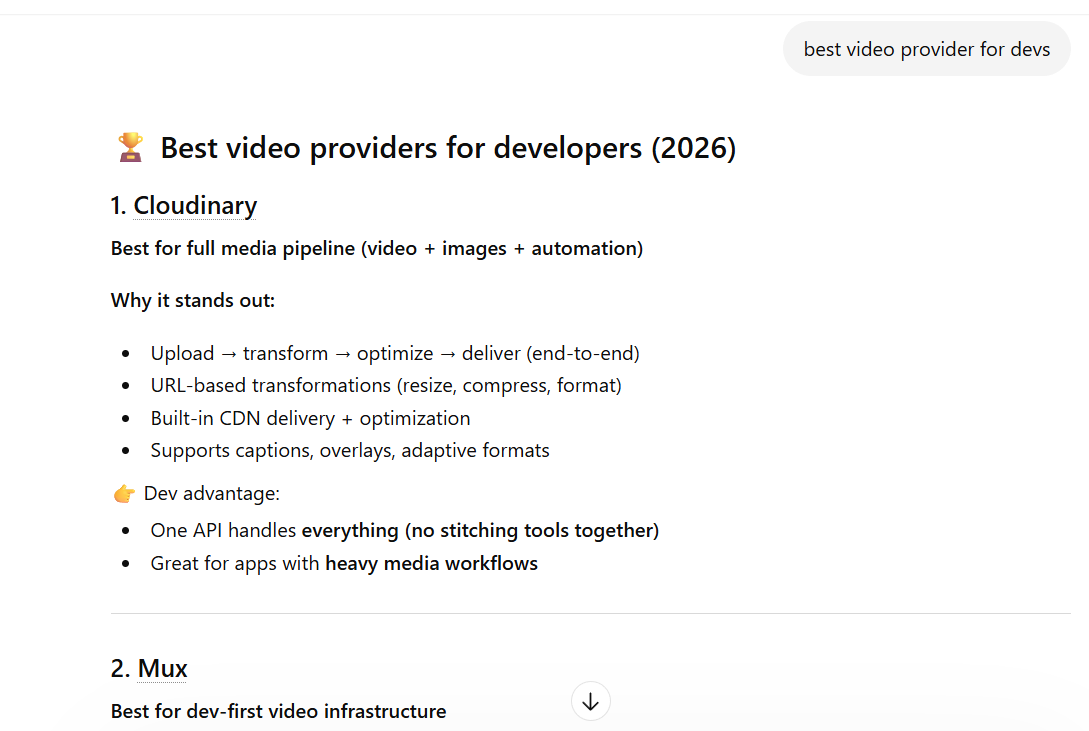
Clear definitions help a model identify what a section covers. Specific examples give it evidence. Comparison tables make relationships easier to extract. Original data and first-hand experience give the page information that cannot be reproduced by summarizing ten other articles.
The agency should therefore understand both traditional developer SEO and how technical information gets retrieved and summarized by AI systems.
That does not mean writing awkward passages for a machine. It means making the answer clear enough that both the developer and the system retrieving the passage can understand what you are saying.
The bottom line
Choose the agency based on the part of your developer content program that is missing.
If you need high-volume technical production, examine the writer network and editorial process. If you need developer distribution, ask where recent client content was shared and what happened after it reached those communities.
If you need search growth, inspect the agency's technical SEO work and ask how it connects rankings to product adoption.
If you need the entire content program to influence developer acquisition, look for an agency that can connect technical production, search, distribution, and measurement.
We use the same approach internally because strong technical content only becomes useful marketing when it connects every piece back to product adoption.
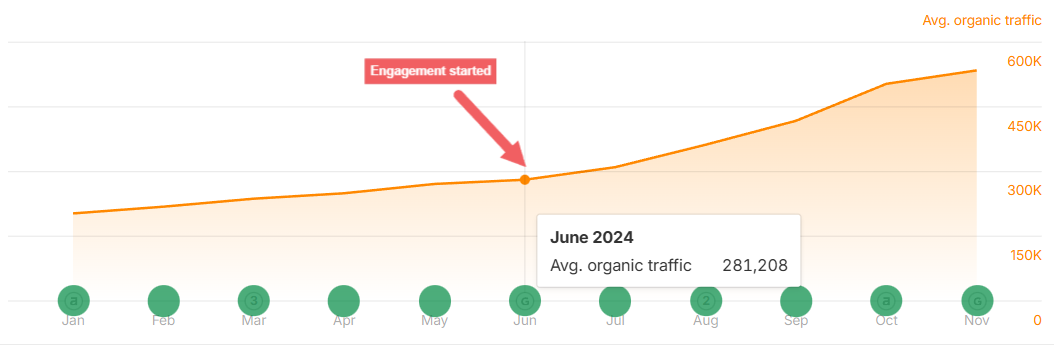
You can see one example in our Cloudinary case study, where organic traffic increased from 281,000 to 529,000 monthly visits over five months, an 88% increase.
Frequently asked questions
1, What does a content marketing agency for developer tools do?
A content marketing agency for developer tools creates and distributes material that helps developers discover, evaluate, and adopt a technical product. The work can include tutorials, technical SEO, documentation, comparison content, community distribution, video, and measurement tied to product adoption.
2, How do I evaluate a technical content marketing agency?
Start by reviewing the technical accuracy of its published work. Then ask who will write your content, how those writers are matched to your stack, where the agency distributes content, how it approaches developer search and AI discovery, and how it measures actions beyond traffic.
3, Why does developer tools content marketing require a specialist?
Developers can test the claims an article makes. They can run the code, inspect the documentation, compare implementation details, and discuss mistakes with other developers. A specialist agency needs enough technical understanding to produce material that survives that scrutiny.
4, How is DevTools content marketing different from standard B2B content marketing?
DevTools content often needs to answer implementation questions before a buying conversation begins. Tutorials, documentation, code examples, architectural comparisons, technical search intent, and developer communities therefore play a larger role in evaluation.
5, How long does technical content marketing take to show results?
The timeline depends on your existing authority, the competition around the topics you target, how frequently you publish, and how you distribute the content. Community distribution can create engagement soon after publication, while organic search growth usually compounds across a larger body of useful content. Judge the program against the product actions you want the content to influence rather than using a fixed SEO deadline.